
What Is The Difference Between Table Mats And Placemats?
Are you someone who loves to set a beautiful table for meals but often gets confused when it comes to using table mats or placemats? You’re not alone. Many people struggle with understanding the difference between these two popular tabletop accessories.
While they may seem similar at first glance there are distinct differences between table mats and placemats that can greatly impact the overall look and functionality of your dining experience.
In this blog post we’ll dive deep into the world of table décor and explore everything you need to know about these two essential pieces to elevate your dining game. So let’s get started!
What is Table Mats?
Table mats are typically larger than placemats and are designed to cover a significant portion of the dining table surface. They serve multiple purposes including protecting the table from scratches, spills and heat damage caused by hot dishes.
Often made from materials such as fabric, silicone or woven fibers, table mats can add texture and style to the table setting.
They are often used in more formal dining scenarios where the overall presentation is crucial, allowing for an elegant display of dishes and cutlery while enhancing the aesthetic appeal of the dining area.
Purposes of Table Mats
Here are the primary purposes of table mats:
- Protection: Table mats shield the table from scratches, spills and heat damage helping to preserve its surface and extend its lifespan.
- Aesthetics: They enhance the overall look of the dining set by adding color, texture and style contributing to a more visually appealing presentation.
- Insulation: The thicker materials used in table mats provide insulation against heat and moisture making them suitable for serving hot dishes without damaging the tabletop.
- Versatility: They can be used in various dining scenarios from casual meals to formal gatherings, adapting to different styles and occasions.
- Ease of Cleaning: Many table mats are designed for easy maintenance allowing for quick clean-up after meals and contributing to a more convenient dining experience.
Variations and Types of Table Mats
Table mats come in various styles and materials catering to different tastes and dining environments.
Here are some common variations:
- Fabric Table Mats: These are often made from cotton, linen or blends, providing a soft touch and an elegant look. They come in countless patterns and colors making them perfect for casual or formal occasions.
- Silicone Table Mats: Durable and heat-resistant silicone mats are easy to clean and can handle hot dishes without warping. They are available in vibrant colors and contemporary designs suitable for modern dining spaces.
- Vinyl Table Mats: These mats are waterproof and easy to wipe clean making them ideal for family dining or outdoor use. They often feature fun prints or designs that can enhance casual settings.
- Woven Table Mats: Made from natural materials like bamboo or jute these mats offer a rustic aesthetic. They add texture and warmth to the table making them ideal for casual dining or outdoor gatherings.
- Glass Table Mats: Providing a sleek and modern look glass mats are excellent at protecting the table while showcasing its beauty. They are easy to clean but can be heavy and require careful handling.
Usage Scenarios of Table Mats
Table mats can enhance a variety of dining experiences making them a versatile addition to any table setting.
- Formal Dinner Parties: When hosting a special occasion table mats can elevate the dining atmosphere providing a cohesive and polished look that complements elegant dinnerware. They create a refined backdrop for any meal ensuring a memorable experience for guests.
- Casual Family Meals: In everyday settings table mats protect the table while adding a touch of warmth and personality. Families can use fun themed mats that reflect seasonal decor or special occasions making daily dinners feel a bit more festive.
- Outdoor Gatherings: During picnics or barbecues durable waterproof table mats can provide easy cleanup and protection from spills. They can also help define dining areas in informal outdoor settings allowing for comfortable and visually appealing meals under the open sky.
- Buffet Setup: When setting up a buffet using table mats can help delineate different food stations while protecting surfaces from heat and stains. This makes it easier for guests to serve themselves while keeping the table tidy and stylish.
- Everyday Use in Busy Households: For households with children or pets table mats offer a practical solution to protect surfaces from everyday wear and tear. Their ease of cleaning helps maintain a fresh look and keeps dining spaces looking inviting even after messy meals.
These various scenarios highlight the adaptability of table mats proving they are not only functional but also an essential element of table decor in any setting.
Definition of Placemats
Placemats are decorative and functional items placed under plates or settings at the dining table. They serve as a protective barrier between the table surface and the dishes helping to prevent scratches, stains and heat damage.
Placemats often vary in size and shape are typically designed to accommodate traditional plate sizes and are available in a wide range of materials including fabric, paper, plastic and wood.
Beyond their protective qualities placemats add an aesthetic element to the dining experience allowing for personal expression through various colors, patterns and textures.
Overall placemats play a vital role in enhancing table decor while ensuring the longevity of dining surfaces.
Purposes of Placemats
Placemats serve several essential purposes that enhance both the functionality and aesthetics of dining experiences.
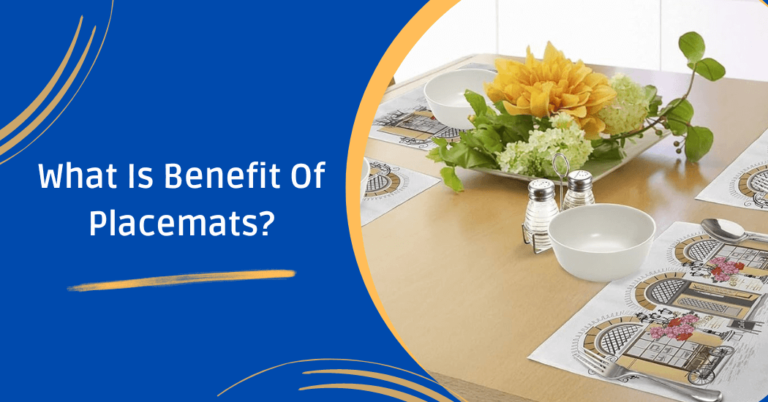
- Protection: The primary purpose of placemats is to protect the table’s surface from damage caused by heat, moisture, scratches and food spills. They act as a barrier ensuring that the table remains in pristine condition over time.
- Presentation: Placemats elevate the visual appeal of the table setting by providing a foundation for dishes and utensils. They can establish a cohesive theme or color scheme adding a touch of elegance to formal gatherings or a fun vibe to casual meals.
- Organization: By defining personal spaces for each diner placemats help keep the dining area organized. This delineation allows for clear placement of plates, cutlery and glasses reducing clutter and enhancing the overall dining experience.
- Hygiene: Using placemats can contribute to a cleaner dining environment as they can be easily cleaned or replaced minimizing the risk of cross-contamination on the table surface especially in households with children or pets.
- Customization of Placemats: It offer a unique opportunity for personal expression. Homeowners can choose custom designs, colors, patterns and materials that reflect their personal style or complement a specific occasion creating a dining setup that feels both personalized and inviting.
Variations and Types of Placemats
| Type | Material | Features | Ideal Use |
|---|---|---|---|
| Fabric Placemats | Cotton, Linen | Soft, absorbent, available in various patterns | Formal dinners, everyday use |
| Vinyl Placemats | PVC | Easy to clean, moisture-resistant, durable | Outdoor dining, casual meals |
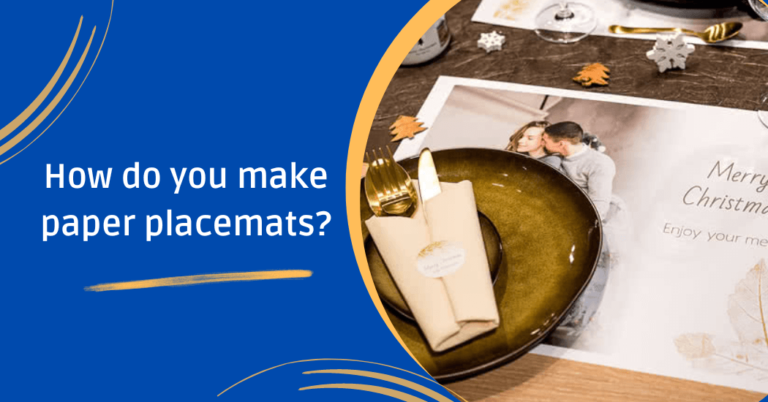
| Paper Placemats | Paper | Disposable, eco-friendly, customizable | Events, parties, quick meals |
| Silicone Placemats | Silicone | Non-slip, heat-resistant, easy to maintain | Kids’ dining, outdoor barbecues |
| Wooden Placemats | Wood | Natural aesthetic, sturdy, can be varnished | Formal settings, rustic themes |
| Bamboo Placemats | Bamboo | Eco-friendly, lightweight, durable | Casual meals, sustainable dining |
| Woven Placemats | Rattan, Jute | Textured, adds a rustic charm | Informal gatherings, garden parties |
Usage Scenarios of Placemats
Placemats can be effectively utilized in a variety of dining situations, enhancing both functionality and aesthetics.
- Everyday Family Meals: In a busy household placemats can streamline meal settings by providing designated areas for each family member. Their protective qualities safeguard the table during regular use while vibrant designs can brighten the dining experience.
- Formal Dining Occasions: During upscale gatherings or holiday dinners placemats can elevate the table’s elegance. Choosing coordinating fabric placemats enhances the overall decor helping to create a sophisticated atmosphere. For practical table-setting guidance see these basic table-setting guidelines.
- Outdoor Gatherings: For outdoor barbecues or picnics vinyl or silicone placemats are ideal due to their durability and ease of cleaning. They can withstand the elements while adding a touch of color to the alfresco dining experience.
- Parties and Events: Disposable paper placemats are perfect for casual parties or events. Their eco-friendliness and customizable designs make them suitable for themed gatherings, celebrations or quick meals allowing for easy clean-up afterward.
- Kids’ Meals: Silicone placemats are a great choice for meals with children as they provide a non-slip surface and are easy to wipe clean. Fun colors and patterns can engage kids while protecting the dining surface from spills and messes.
Each of these scenarios highlights the versatile nature of placemats showcasing their ability to enhance various dining settings while providing practical benefits.
Difference Between Table Mats and Placemats
| Feature | Table Mats | Placemats |
|---|---|---|
| Purpose | Primarily used for formal settings and special occasions to enhance decor. | Designed for everyday use, providing both functionality and decoration. |
| Size | Generally larger and cover a significant portion of the table. | Smaller, typically placed under individual settings for each diner. |
| Material | Often made from high-end materials like silk or jacquard. | Available in various materials like fabric, vinyl or paper. |
| Maintenance | May require dry cleaning or special care depending on the material. | Usually easy to clean, often wipeable or machine washable. |
| Design Variation | Typically features more elaborate designs suited for decor. | Comes in a wide range of designs, suitable for casual or thematic settings. |
| Usage | Used primarily for formal meals or events, enhancing aesthetics. | Versatile for casual meals, outdoor dining and different events. |
Cost Comparison of Table Mats Vs Placemats
| Type | Price Range | Average Cost | Factors Influencing Cost |
|---|---|---|---|
| Fabric Placemats | $10 – $30 each | $20 | Material quality, design complexity, brand reputation |
| Vinyl Placemats | $5 – $15 each | $10 | Thickness, design quality, branding |
| Paper Placemats | $0.50 – $5 each | $2 | Customization options, bulk purchasing |
| Silicone Placemats | $5 – $25 each | $15 | Heat resistance, non-slip features, brand |
| Wooden Table Mats | $15 – $50 each | $30 | Wood type, craftsmanship, finish quality |
| Bamboo Table Mats | $10 – $40 each | $25 | Sustainability, design detail, supplier pricing |
| Woven Table Mats | $8 – $35 each | $20 | Material used (rattan, jute), handwoven vs. machine-made |
FAQs
Are table mats larger than placemats?
Yes table mats are generally larger and cover a significant portion of the table while placemats are smaller and typically placed under individual settings for each diner.
What materials are table mats commonly made from?
Table mats are often crafted from high-end materials like silk or jacquard which contribute to their luxurious appearance.
Can a table mat be used as a placemat?
Yes a table mat can sometimes be used as a placemat depending on its size and design though placemats are specifically sized for personal place settings.
How should I clean table mats and placemats?
The cleaning process depends on the material. Fabric mats can often be machine washed while plastic or vinyl mats can be wiped clean. Always check the care instructions provided by the manufacturer.
Which is more protective a table mat or a placemat?
A table mat usually offers more comprehensive protection as it covers a larger area of the table while placemats provide targeted protection for individual settings focusing on the space directly under plates and utensils.
Final Words
Table mats and placemats serve distinct purposes in dining settings. Table mats are primarily designed for formal occasions enhancing the aesthetic appeal of the dining experience with high end materials and elaborate designs.
They are generally larger and used to cover significant portions of the table. In contrast placemats offer versatility and practicality for everyday use available in a variety of materials and designs suitable for both casual and themed meals.
While table mats focus on decor and elegance placemats provide functionality, ease of maintenance and protection for the dining surface.
Understanding these differences allows individuals to select the appropriate option for their specific dining needs.